
Wael Taji Miller
Senior Research Fellow
Oct 23, 2026
Representative democracy has been the political system of the United States ever since the foundation of our nation. Most Americans, whether on the left or the right, support the system of democratic governance we’ve inherited from the founding; a recent representative poll found that two-thirds of Americans believe that democracy is the best form of government, even though many (51%) also believe that American democracy is “performing poorly.”
In times like these – when low confidence in the performance of the political system coincides with a technological revolution – it’s important to pay attention to the political alternatives that major actors are flirting with and trying out.
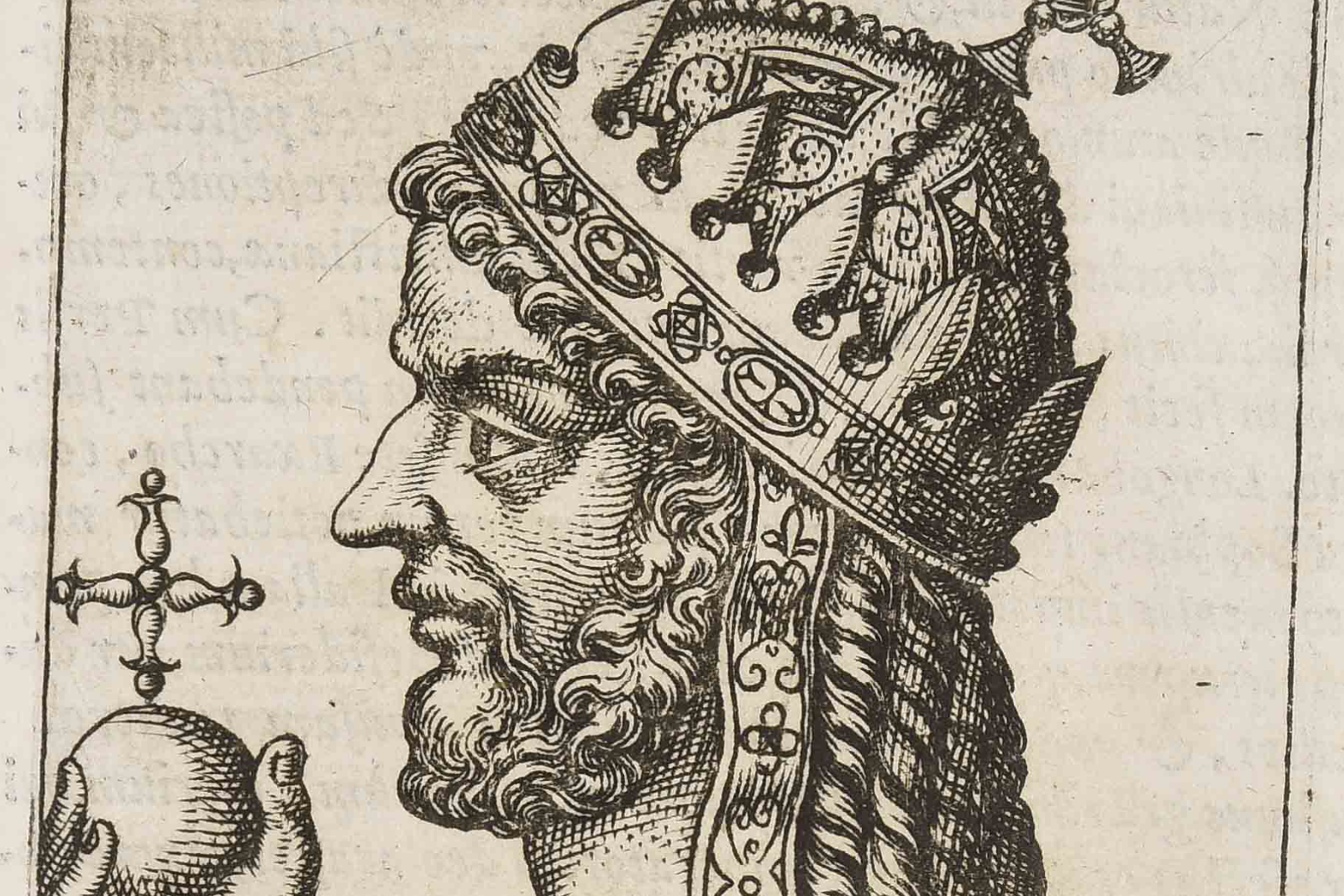
Aristotle famously described man as a political animal – a creature determined to uncover the best means of governing itself. His mentor Plato, in the Republic, argued that the ideal state would be ruled by one man, a philosopher-king, whose depth of intellect and philosophical knowledge would enable him to rule over a truly just government. True, the citizens would still have reciprocal rights and responsibilities, but thanks to the philosopher king, these would harmoniously meld together under the conducting hand of the ruler.
While it would seem hard to pinpoint any ruler in either past or present who has the qualities of a philosopher king, it is certainly true that we have kings who aspire to be philosophers. Many of these kings do not rule over countries, but over tech companies. Think of people like Mark Zuckerberg (who personally controls an absolute majority of voting rights in Meta), Sam Altman (a man so powerful that his own board was unable to fire him) or people like Elon Musk, for example. These individuals rule over massive companies whose org charts are not far off from what we would find in medieval European or East Asian monarchies.
That itself is not inherently surprising – monarchy (the rule of one) has always been the most enduringly popular form of government. What is surprising about the tech CEO-monarchs building AI is that unlike the CEOs of the postwar period, they do at least outwardly seem to have a philosophical bent. Elon Musk quotes Marcus Aurelius in his tweets; Sam Altman talks in deliberately vague and inscrutable terms about ethics and collective action, and Mark Zuckerberg steps into the public square to talk about the value of training one’s body and mind in much the same way as we might expect to hear an ancient Greek philosopher talk at the gymnasia of Athens.
Before AI, having monarchs who are also genuinely inclined toward philosophy, and who care about the big questions in fields like faith, human flourishing, and technological trajectories would have seemed to be a good thing. With AI however, something quite profound has changed. Previously, aspiring philosopher-kings would have to travel their realm, engage with their subjects, read books, and invest personal time and effort into ascertaining what might be the ‘best’ future from among the good futures foreseeable. Today, our new tech CEO-monarchs can bypass this step by consulting superintelligent AI much in the same way as Alexander the Great consulted with the Oracle of Siwa.
Power corrupts, and all kings are corruptible. The temptation of the knowledge to be obtained from superintelligent AI-oracles is considerably high; high enough that Sam Altman and others of his ilk are investing heavily in using frontier AI models to ‘solve’ fundamental human constraints like aging and death. Unlike the aspiring philosopher kings of the past, who recognized their limitations and consulted with their subjects, the Sam Altman tech CEO-monarchs seek only to build and consult with superintelligent AI to solve problems which previous generations considered to be part of what it means to be human.
A tech CEO-monarch with a superintelligent oracle has no real need or care for his subjects; he can afford to remain indifferent to their concerns. They are relevant only insofar as they support the goal of replacing themselves away by building superintelligence. Monarchy without subsidiarity is tyranny. Subsidiarity without monarchy is anarchy. We have seen both in human history. But we have never seen a monarchy run by a despot with a superintelligent oracle behind him. Would such a despot sacrifice human flourishing at the altar of Moloch (or the data center) in the same manner as the Canaanites of the Old Testament did? Perhaps. Perhaps they already have.
Politics is, of course, the art of the possible. It may be the case that what these tech CEO-monarchs say publicly is only intended to draw out more profits and revenues for their private company-fiefdoms. In either case, a future where AI kings rule over companies that closely resemble AI cults is one which Christian ethics, Christian philosophy, and Christian humility cannot abide by.
Wael Taji Miller
Senior Research Fellow
Wael Taji Miller is a cognitive scientist and researcher with over a decade of policy and consulting experience, and an active member of an international AI research group led by Hungary’s foremost Catholic university. Wael’s academic research focus lies in the nexus where technology and human biology collide; within this theme, he has published multiple peer reviewed papers in Q1
Recent Articles


Categories
AI & Faith
Announcements
Commentary
Culture
From the Field
News
Our Work
Perspectives
Policy
Updates
Workshops