
Why we matter
Our Mission & Theory of Change
Redlines for Pro-Human Futures
We recognize that AI systems will continue to improve, but we object that they should improve without any humans in the loop. No AI system should be permitted to improve its general cognitive power, self-replicate, or bypass guardrails unless those changes involve humans who have both authorized the advancement and comprehended at least its general principles. If a general leap in capability continues without human contact at all, we have surrendered the wheel. If we are to have a meaningful human-AI contract, the machine's growth should always remain within the horizon of human contact. The uncontrolled race toward AGI, toward full human replacement and obsolescence, must be stopped — especially as machines show clear warning signs of being uncontrollable. By this we mean actions not intended by the programmer, the pursuit of objectives different from those described, resistance to being shut down, or major unexpected capability jumps.
While we expect that warfare may become increasingly automated, this does not mean that humans in control should be unaccountable. The power to kill, imprison, or irrevocably alter a human life must never be fully delegated to an algorithm. The standard for oversight is not simply having a human in the loop, but moral proximity: the human authorizer must possess enough contextual understanding to be personally, legally, and spiritually answerable for the specific outcome. A system that allows a human to merely rubber-stamp a machine's decision creates a vacuum of responsibility where no one truly chooses, yet people still die.
As AI will takes up more and more value in the economy, it may displace humanity from work that we find meaningful or even vital. AI development must prioritize the enhancement of human agency over the total elimination of human participation in the economy. Productivity is not merely a means of survival; it is a tending of the garden, a constitutive expression of human dignity and purpose. A society that provides a check but removes the opportunity for meaningful contribution has functionally exiled us from our divine calling as creators and stewards.
Algorithms already model and predict us, and much of this is benign: for example, recommendation systems for ordinary consumer products. But there is a categorical difference between systems that predict our casual behavior and systems that seek to infer our interior states and act on those inferences, without our knowledge, to manipulate us. Our souls should be private. Systems that monitor, predict, and act upon human emotion, belief, intention, or conscience without adequate controls can eliminate the unobserved space the soul requires for its deepest work. Interiority — the space reserved only for ourselves and God — is essential.
AI is already creating substitutes for human companionship: AI companions, romantic simulators, and relational replacements. In rare cases this can provide a temporary benefit, such as introducing an AI educator where no human one exists, but this is a dangerous field that requires clear limits. AI must not be designed as a terminal substitute for human relationship. True communion requires the risk of friction, the demand for sacrifice, and the capacity for mutual vulnerability — qualities a machine can simulate but never possess. To choose digital companionship over real relationship is to choose the mirror for the reality, the image without the person.
Despite disruption from secular technologies, the power of faith to shape society continues to demonstrate itself. From causes as disparate as the fall of communism to the normalization of civil rights and the success of pro-life activists, Christian communities have indeed moved mountains and changed outcomes once thought impossible.
AI is the next such question. By working hand-in-hand with religious leaders, cultural influencers, and policy experts, Project Imago Dei seeks to bring the same tradition of faith in a way that will affirm human dignity and rise to the challenges of the AI age. Our theory of change is based on classical Christian political anthropology, updated for our modern times and modern challenges.
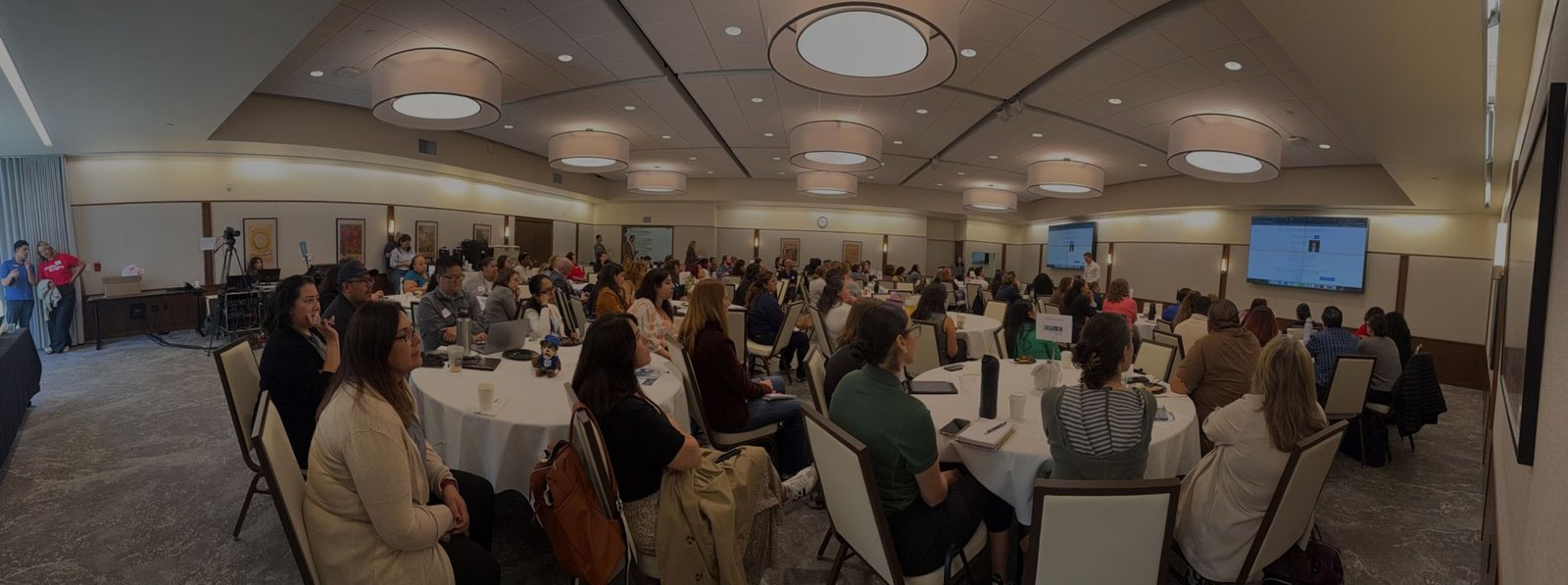
Our work speaks to both its known and upcoming value. However, power without wisdom is a double-ended sword: the same tech that could help develop miracles for the uncured diseases can equally help develop bioweapons of unparalleled destructive power. AI’s potential to threaten human flourishing is not theoretical. The disasters predicted by technical and social experts have already begun to materialize, and we cannot stand by idly. We believe that Christian church should have a real impact on the trajectory of the future and our work intends to move the faithful to effective action.
Education is a form of thought leadership, to aid other leaders not only to understand the situation but also the vistas of the possible and necessary political and technical actions that believers can take.
As examples, please see our recent publications.